Introduction
Choosing the right platform for your photography website is one of the most important decisions you’ll make. It affects everything — from how your images are displayed to how much control you have over your business.
Many photographers start with hosted platforms like Pixieset, SmugMug, or Squarespace because they’re easy to set up. But over time, some begin exploring self-hosted websites for more flexibility, performance, and long-term control.
In this guide, we’ll explain why photographers often choose self-hosted websites, how they compare to hosted solutions, and when it makes sense to switch.
What Is a Self-Hosted Photography Website?
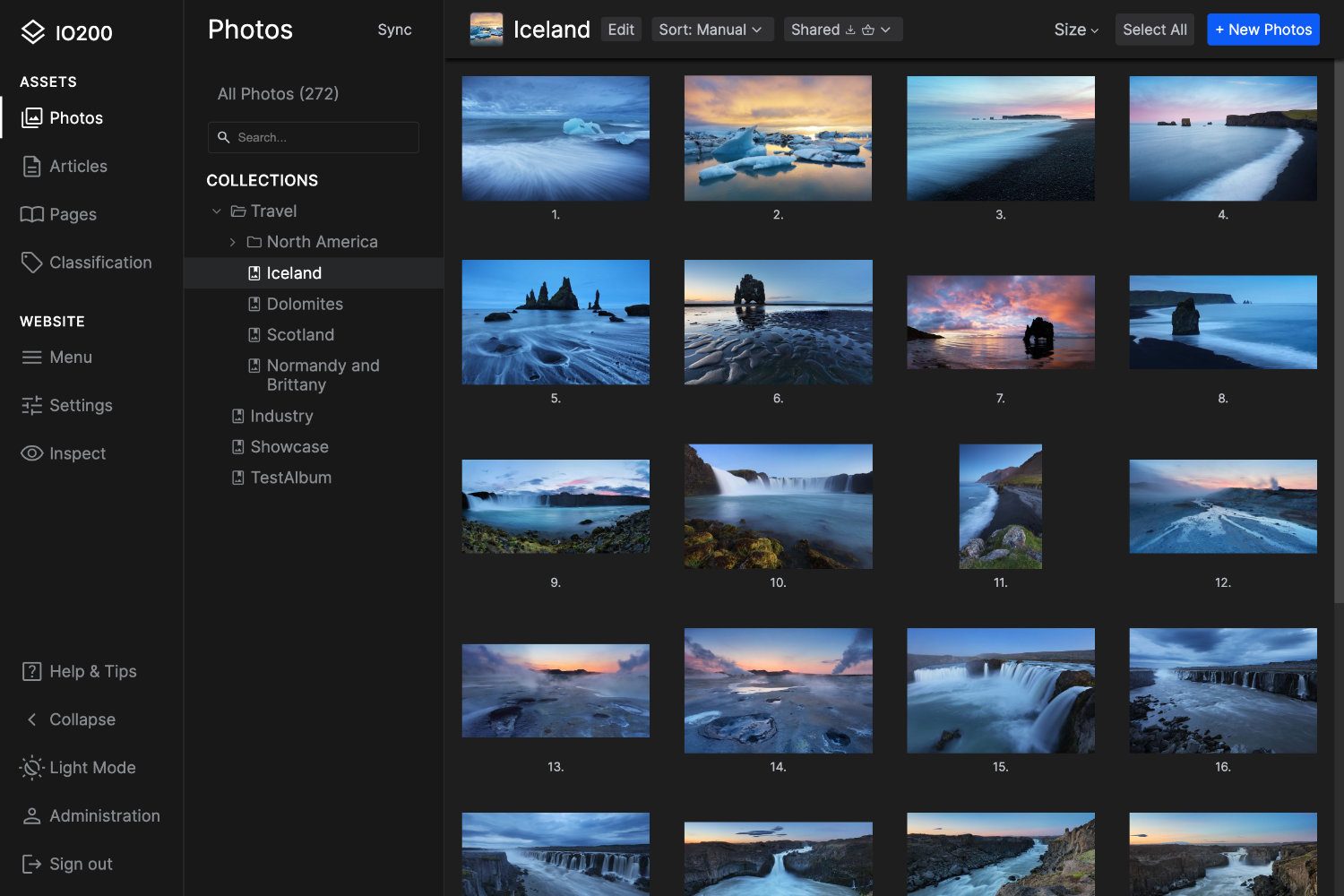
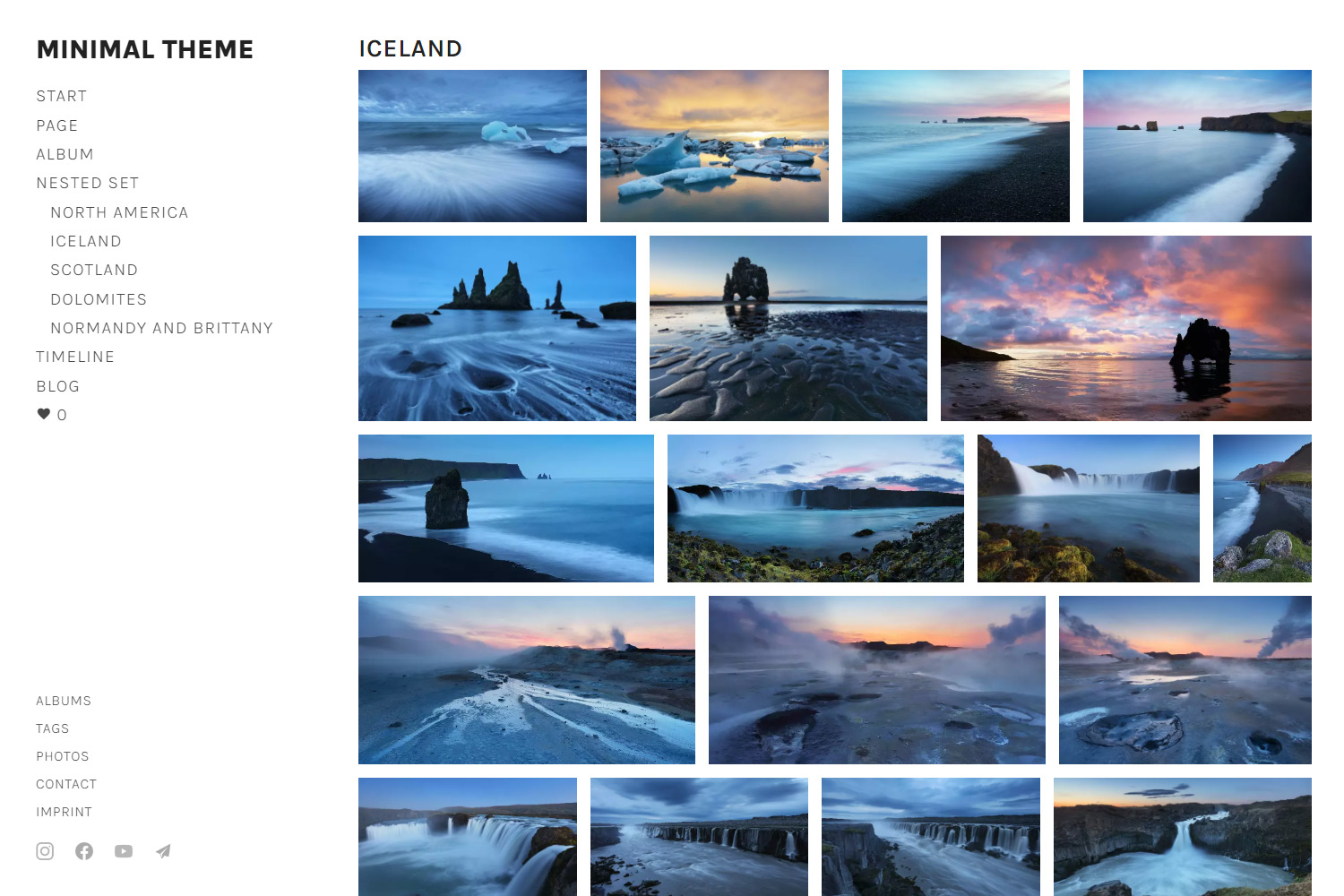
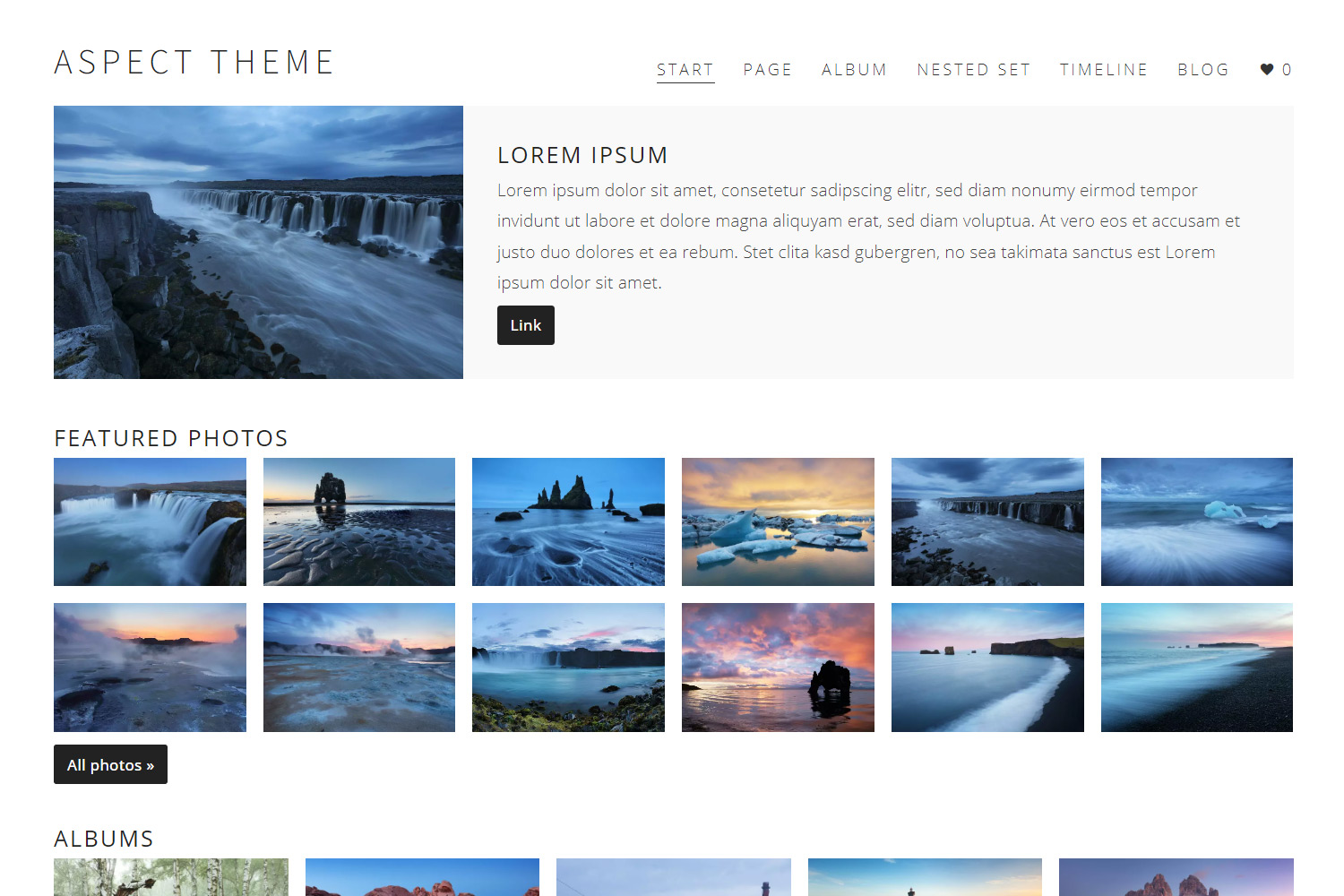
A self-hosted website means you run your photography site on your own server or hosting provider, using software you control.
Instead of relying entirely on a platform, you:
- choose where your data is stored
- control updates and features
- manage how your galleries and content are delivered
This approach is often used by photographers who want more independence and scalability.
Why Photographers Choose Self-Hosted Websites
1. Full Control Over Your Work
With a self-hosted setup, your photos and client galleries are completely under your control.
You’re not limited by:
- platform restrictions
- branding constraints
- feature limitations
This can be especially important for professionals managing client work or large archives.
2. No Platform Lock-In
Hosted platforms typically store your content within their ecosystem. While exporting is often possible, migrating a full photography workflow can be time-consuming.
Self-hosted solutions reduce dependency on a single provider, making it easier to:
- switch hosting providers
- customize your setup
- scale over time
3. Better Performance for Large Photo Libraries
As your portfolio grows, performance becomes critical.
Self-hosted systems can be optimized for:
- fast image delivery
- large galleries
- efficient browsing
This is particularly valuable if you manage thousands of high-resolution images or client galleries.
4. Long-Term Cost Efficiency
Hosted platforms often use subscription models. While convenient, costs can add up over time — especially with higher storage or premium features. Self-hosted solutions may involve upfront setup and hosting costs. But over the long term, they can offer more predictable and scalable pricing.
Self-Hosted vs Hosted: Key Differences
Here’s a clear comparison to help you decide:
| Feature | Self-Hosted Website | Hosted Platform |
|---|---|---|
| Control | Full ownership of files and data | Limited control |
| Customization | Highly flexible | Restricted |
| Costs | One-time or predictable hosting costs | Ongoing monthly fees |
| Scalability | Grows with your needs | Often limited |
| Setup | Simple modern installers, quick setup | Very easy |
Setup and Ease of Use
A common misconception is that self-hosted websites are difficult to set up. That used to be true — but modern CMS platforms have made installation incredibly simple.
In most cases, getting started is as easy as uploading a single installer file to your web hosting and opening it in your browser. From there, you just follow a short, guided setup process.
There’s no need for manual server configuration or coding. If you can upload a file and follow step-by-step instructions, you can run your own self-hosted photography website.
This removes one of the biggest barriers that previously pushed photographers toward hosted platforms.
→ Self-Hosted Photo Website
→ How to Get Web Hosting for a Photography Website
When to Choose Self-Hosted vs Hosted Photography Websites
When a Self-Hosted Website Makes Sense
A self-hosted approach is especially useful if you:
- manage large photo collections
- want full control over branding and features
- prefer owning your infrastructure
- plan to scale your photography business long-term
When Hosted Platforms May Be Enough
Hosted solutions can still be a good fit if you:
- are just starting out
- want the simplest possible setup
- don’t need advanced customization
The key is choosing what aligns with your workflow — not just what’s easiest initially.
Finding the Right Balance
Some photographers start with hosted platforms and later transition to self-hosted solutions as their needs grow. Others choose self-hosting from the beginning to avoid migration later. There’s no single “right” choice — but understanding the trade-offs helps you make a more informed decision.
Conclusion
Self-hosted photography websites offer control, flexibility, and scalability that many photographers find valuable as their work evolves. While hosted platforms provide convenience, self-hosting can be a strong option for those who want to build a more independent and customizable workflow.
If you’re exploring self-hosted solutions for managing portfolios, client galleries, or large archives, you can learn more here:
→ Self-Hosted Photo Website
→ Photography Portfolio CMS
→ Photo Archive Software